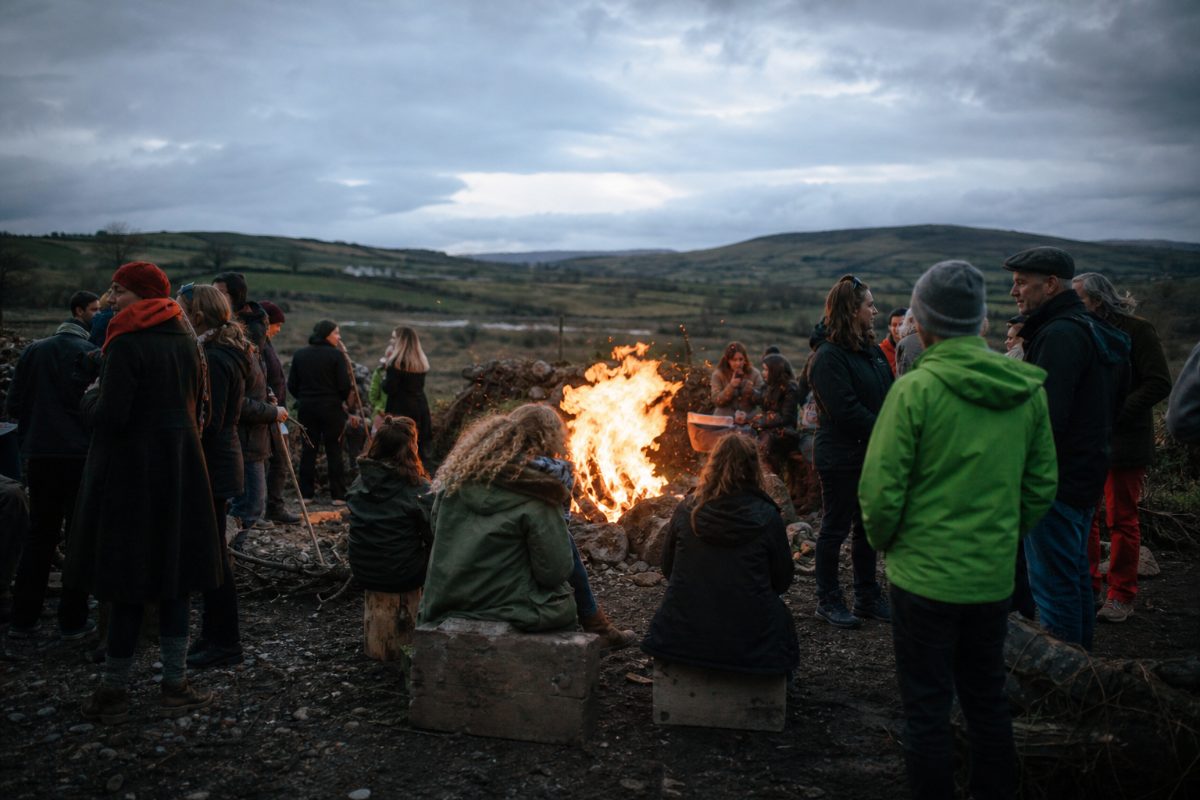
Halloween in Ireland has always had a particular energy to it. It is Samhain, after all, one of the oldest festivals on the island, and there is something in the air around the end of October that feels genuinely different here compared to anywhere else. The bonfires are part of that. Stack of pallets, kids running around, someone's dad in charge of the flames with an air of quiet authority, the smell of smoke following you home. It is a proper tradition.
But the rules around bonfires in Ireland have tightened considerably over the years, and plenty of families and community groups have found themselves in bother simply because they did not know what applied to them. Getting it right is not complicated once you understand what you are dealing with.
Start with your local authority
This is the step most people skip, and it is the most important one. Your county council or city council is the body that sets the conditions for open burning in your area, and those conditions vary from place to place. Some local authorities issue guidance each year in the run-up to Halloween. Some actively discourage bonfires. Others will work with community groups who apply early and do things properly.
Ring or email your local authority's environment department in October, ideally a few weeks before Halloween. Explain what you are planning, where, and roughly how many people will be involved. You are not asking for permission in a formal planning sense, but you are establishing whether there are any specific local restrictions, and that call creates a record that you took the responsible approach.
Understand what you cannot burn
This is where a lot of community bonfires run into trouble. Burning waste, particularly household waste, tyres, treated timber, painted wood, or anything with plastic or foam in it, is illegal under Irish environmental legislation. It does not matter that it is Halloween. It does not matter that it is a tradition in your estate.
The official government guidance on waste burning and local authority regulations is clear on this. Burning prohibited materials can result in fixed penalty notices or prosecution, and local authorities do patrol known bonfire sites, particularly in urban areas.
What you can burn is untreated natural wood. Pallets are a grey area because many are chemically treated and you often cannot tell by looking. If you are using pallets, source them from a known supplier who can confirm they are heat-treated only (look for the HT stamp). Skip the tyres entirely. They are not worth the trouble and the smoke is genuinely harmful.
Choose the right location
Even the most beautifully managed bonfire causes problems if it is in the wrong place. Keep it well away from houses, fences, trees, overhead lines, and parked cars. At minimum, you want a clear zone of about ten metres in every direction, and more is better. Avoid anywhere with dry grass or hedges nearby, particularly after a dry spell, though the end of October in Ireland rarely gives you that problem.
If you are in an estate or on community ground, check whether the land is owned by the council or a management company and confirm that neither has restrictions on open fires. Some management company leases specifically prohibit bonfires.
Build the fire sensibly
Build it small to begin with and let it establish before adding more fuel. A bonfire that gets out of hand in the first ten minutes is a bonfire that ruins the evening. Keep a hose or several large buckets of water within easy reach. Have at least two adults who are specifically responsible for the fire at all times, not just nearby but actively watching it. This is not being overcautious. It is what makes the difference between a great night and a call to the fire brigade.
Never use accelerants like petrol or spirits to get it going. It seems obvious but every year someone does it. Firelighters and dry kindling work perfectly well and are vastly safer.
Think about the community around you
Not everyone loves bonfire smoke. Older neighbours, people with asthma or respiratory conditions, and families with young children may be significantly affected. If yours is an estate bonfire, let people know in advance so those who need to can close windows or make other plans. It is a small thing that makes a real difference to goodwill.
Keep the fire supervised until it is fully out. Do not leave embers smouldering overnight. Damp them down thoroughly before the last person leaves. Clear the site the following morning, whatever the state of the weather.
Consider supporting a community or GAA event instead
Many GAA clubs, tidy towns groups, and community organisations run organised Halloween bonfires with everything already sorted. Insurance, supervision, the right materials, often some music or entertainment thrown in. If there is one near you, it is worth going along rather than staging your own, particularly if you have young children. The atmosphere is often better for it too, more people, more noise, more of that old Samhain feeling that makes this night unlike any other in the Irish calendar.